For best results, use photos like this.
Simple background.
No people, other cars or clutter.
No strong reflections.
Use soft daylight. Avoid glare that hides the paint or details.
Normal camera.
Use 1×. No filters, portrait blur or screenshots.
Your actual car.
Use clear, current photos of your clean car.
Start with the whole car.
Match your chosen angle. Keep the roof, bumpers and wheels in frame. Crouch to bumper height: the poster is shot from wherever your camera was, so a low photo gives a low, dramatic poster and a photo from standing height gives a poster from standing height.
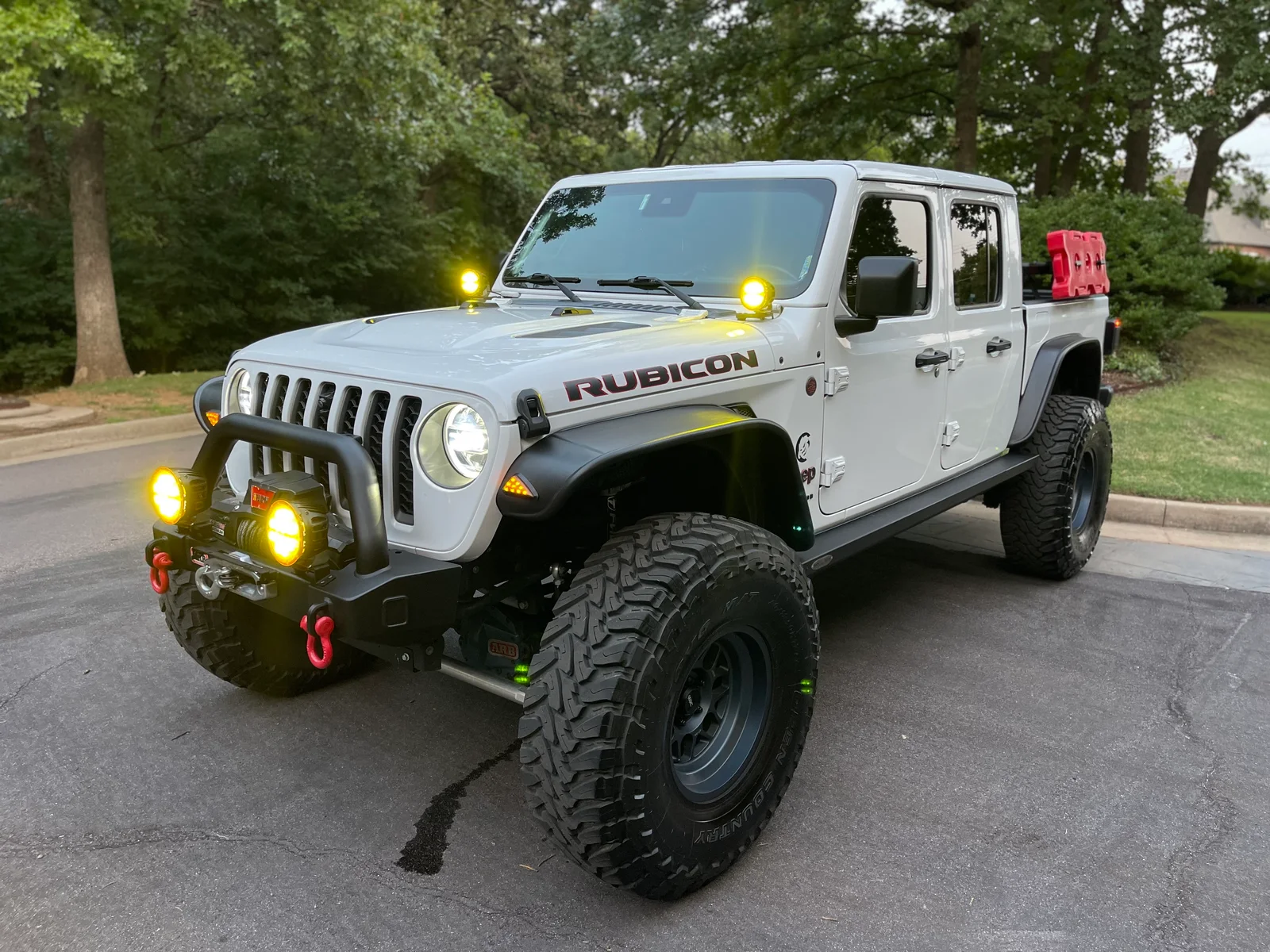
Front corner: driver side
Stand at the front corner so the grille and driver side are visible together.
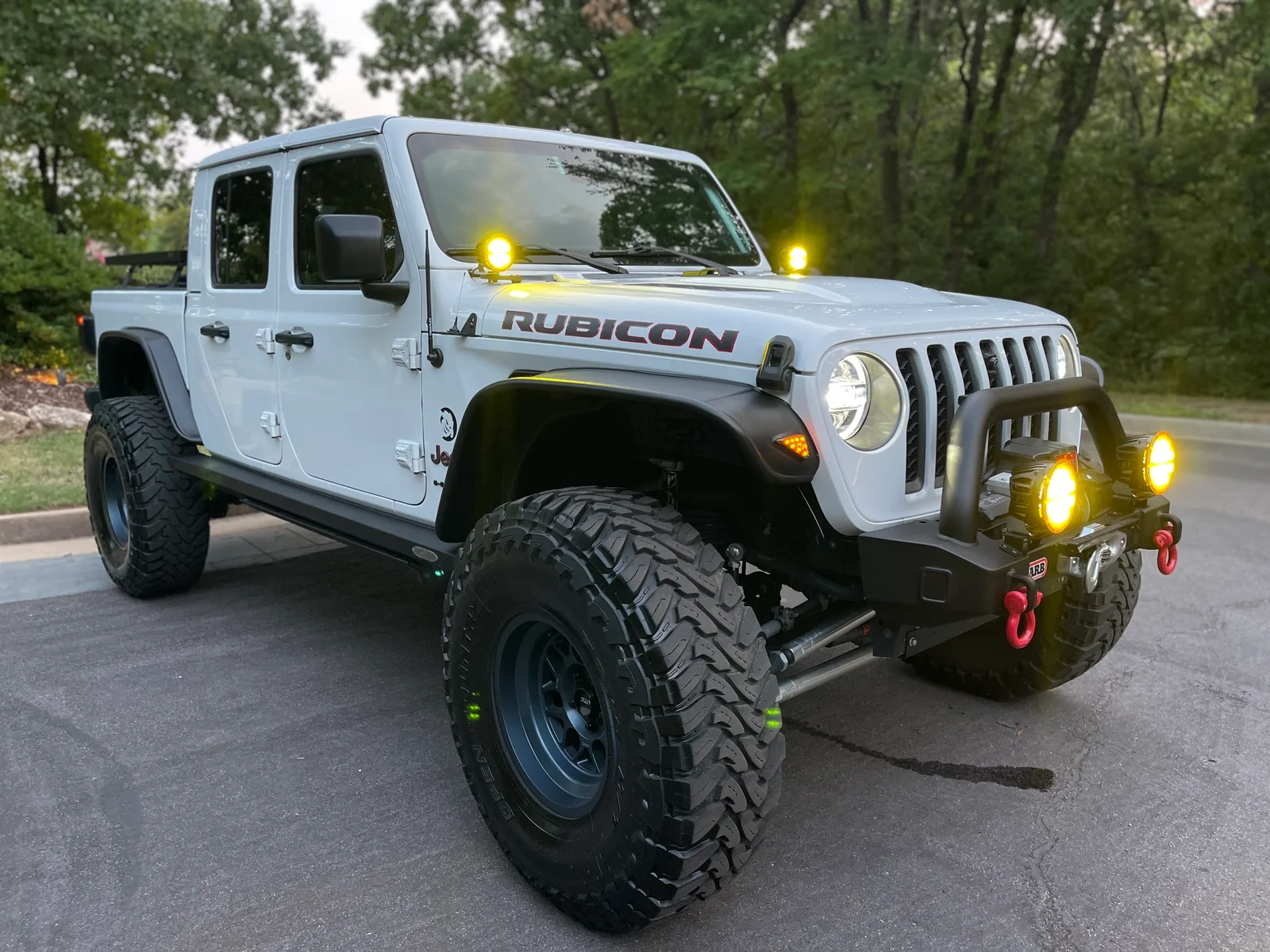
Front corner: passenger side
Take the same angle from the opposite front corner to show the passenger side.
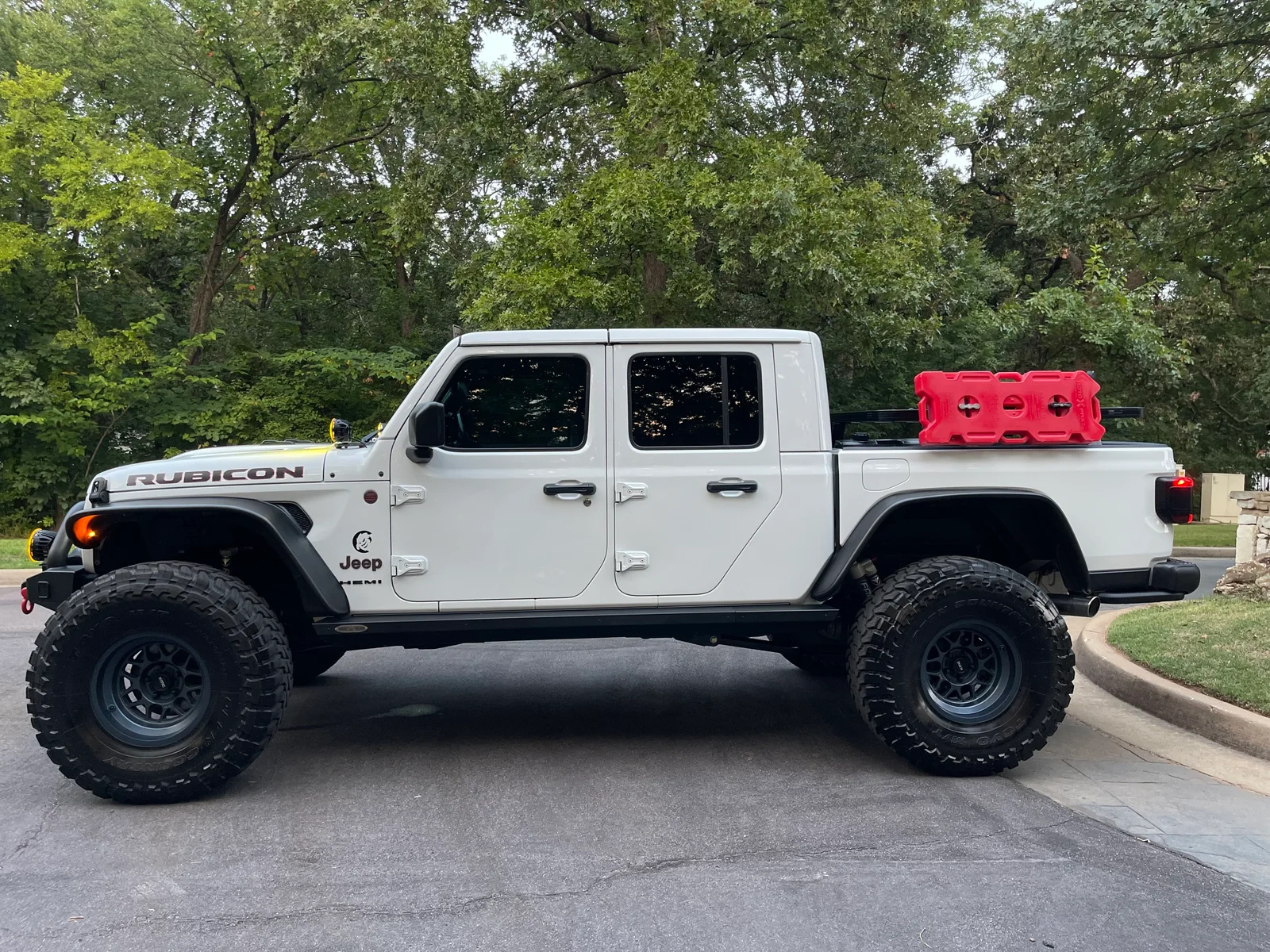
Side profile: driver side
Stand squarely beside the driver side and show the entire car.
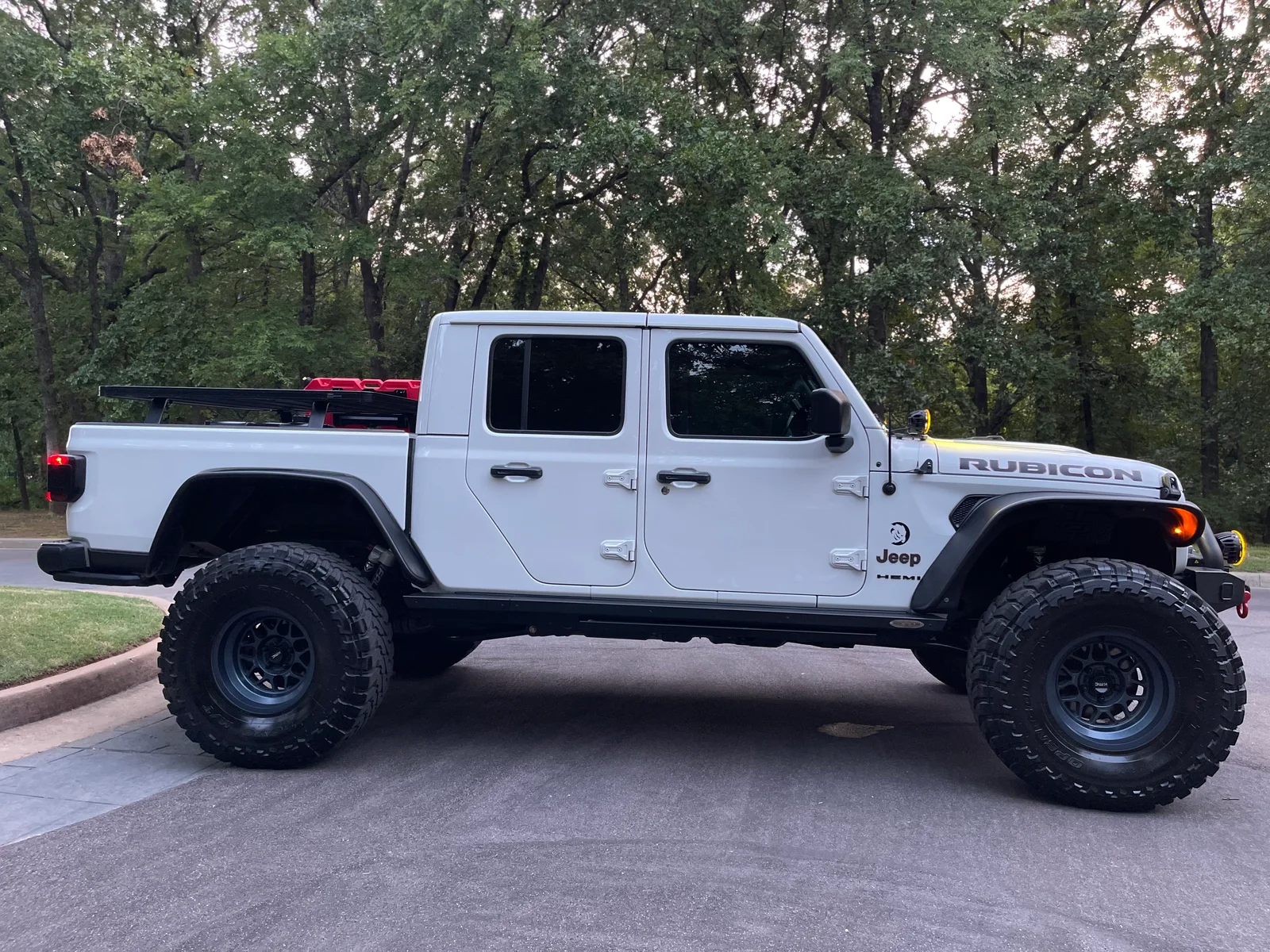
Side profile: passenger side
Photograph the opposite side straight on. Do not flip the first photo.
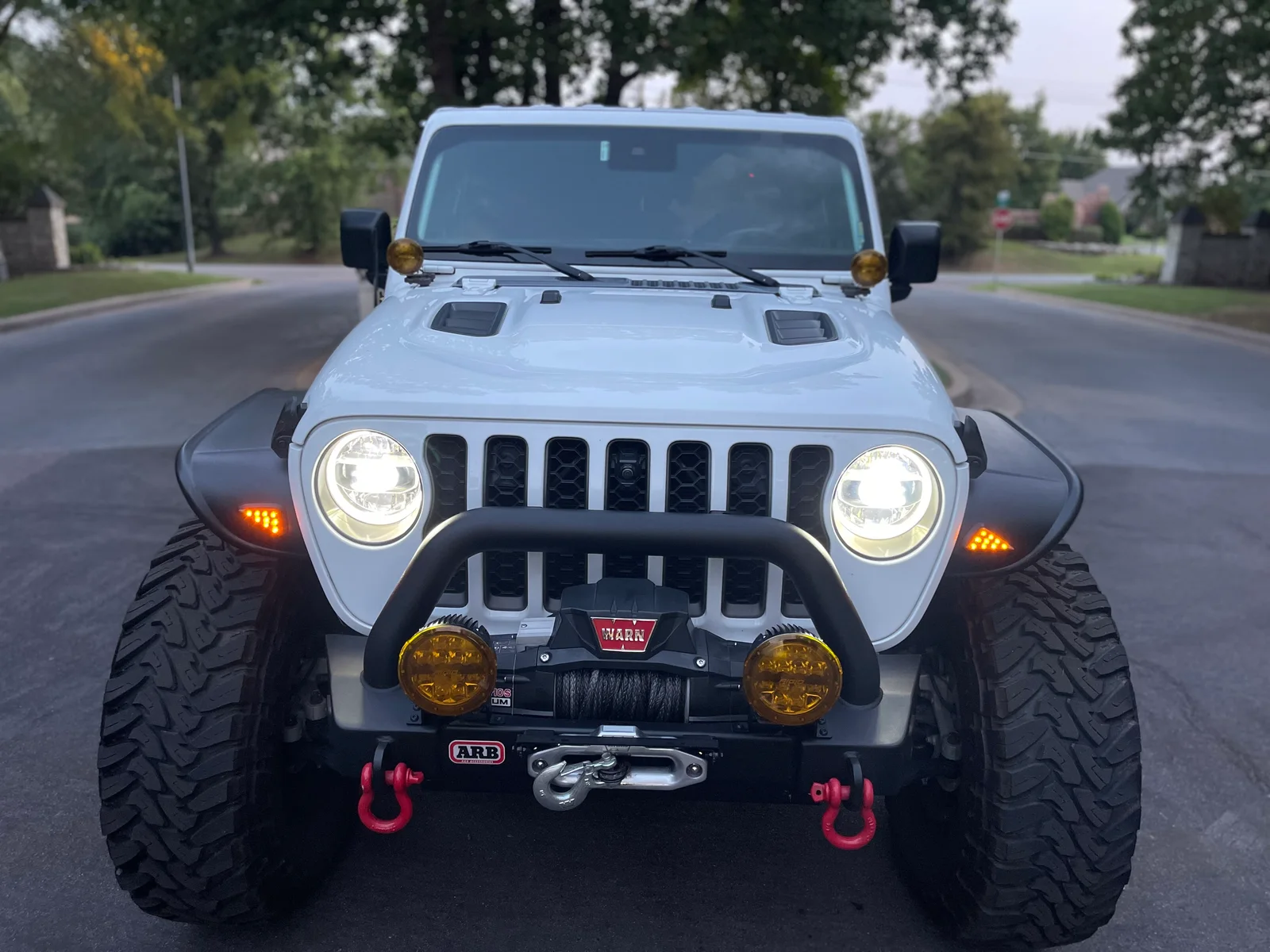
Straight from the front
Stand centered in front. Keep your phone level and the whole car in frame.
Add the details.
Close photos support your whole car shots.
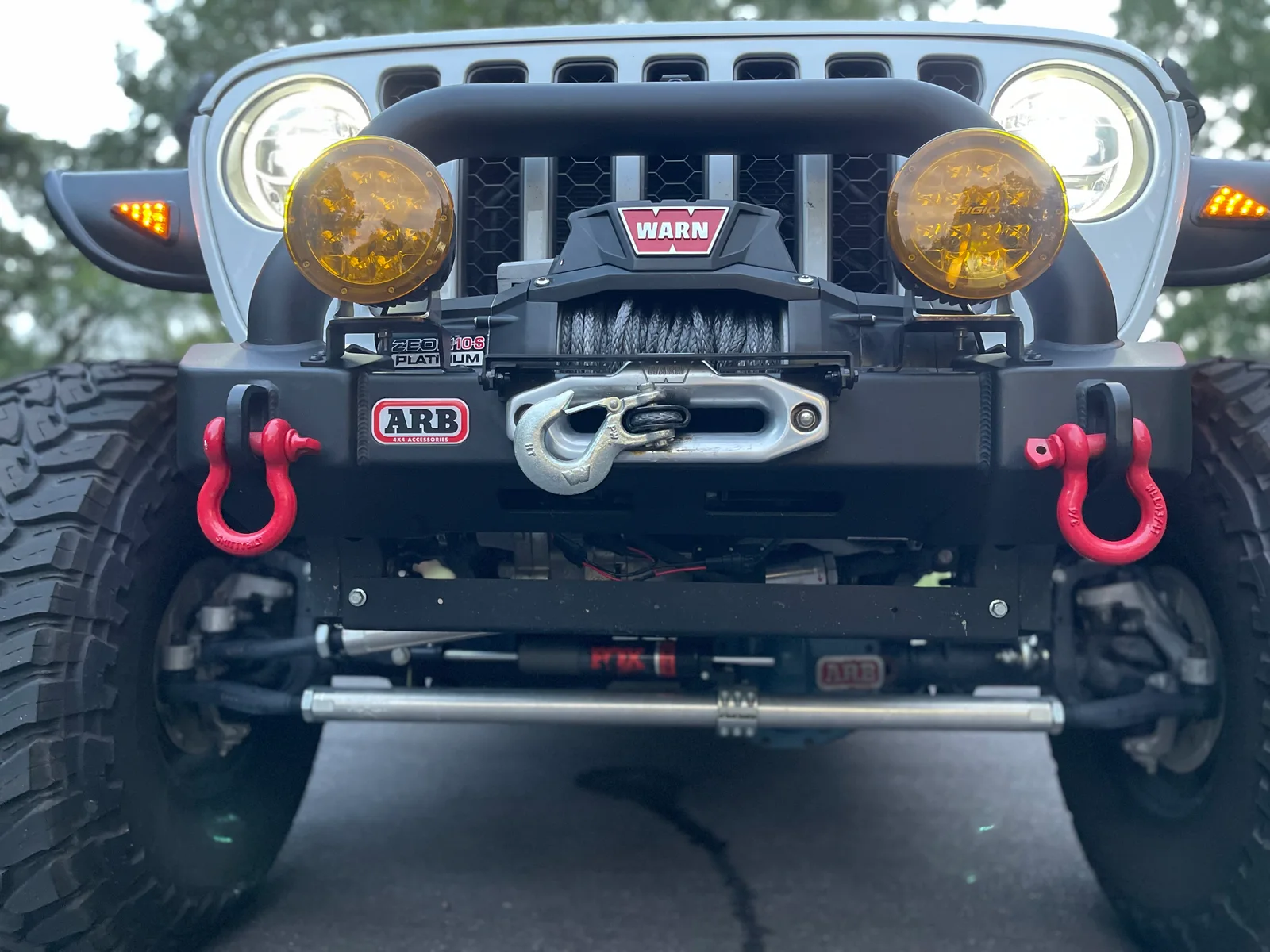
Bumper, winch and suspension
Get closer to show the bumper, suspension and readable brand details, like ARB and WARN.
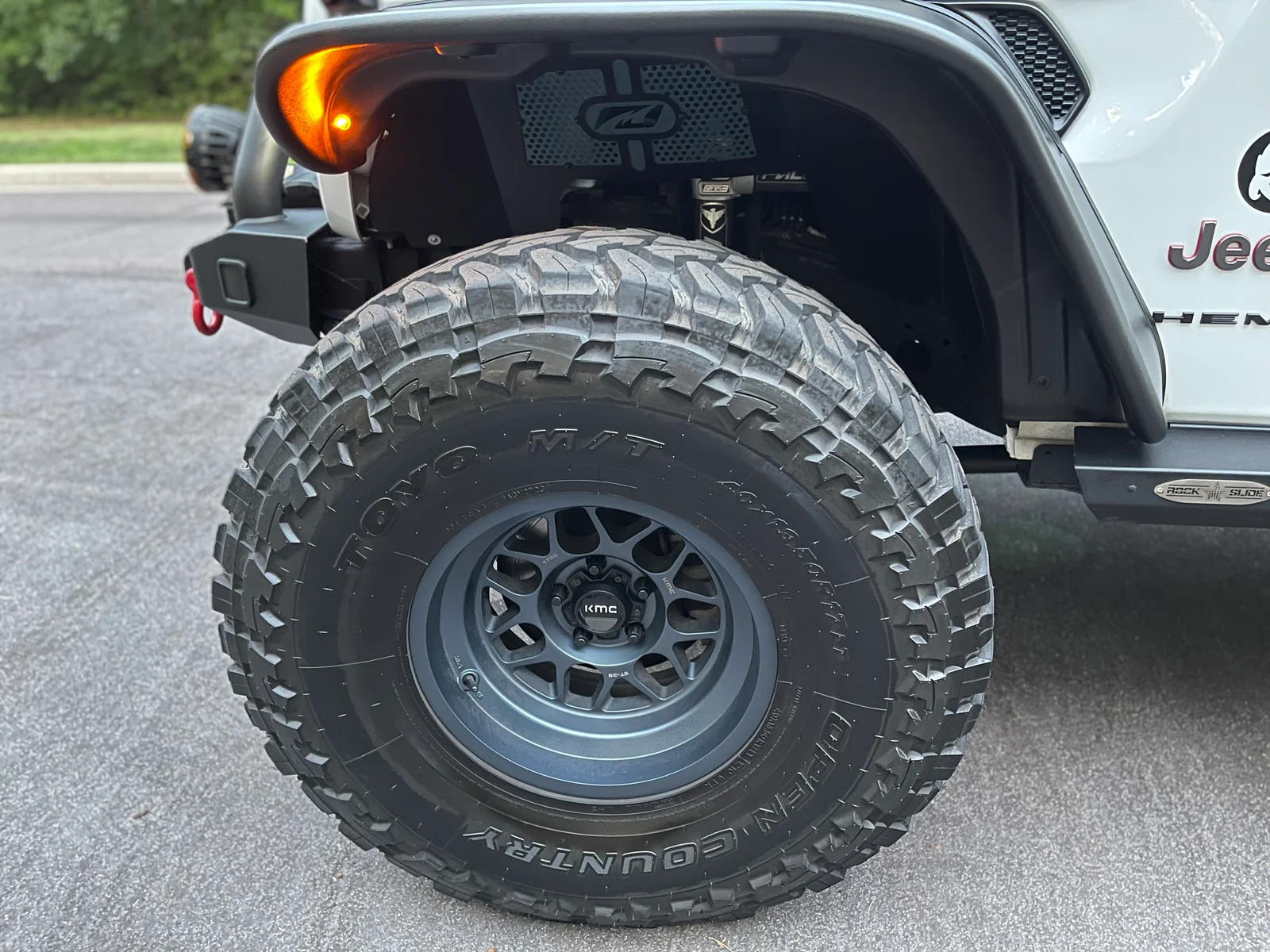
Wheel and tire
Show the complete rim and tire, with sharp spokes, center cap and lettering.
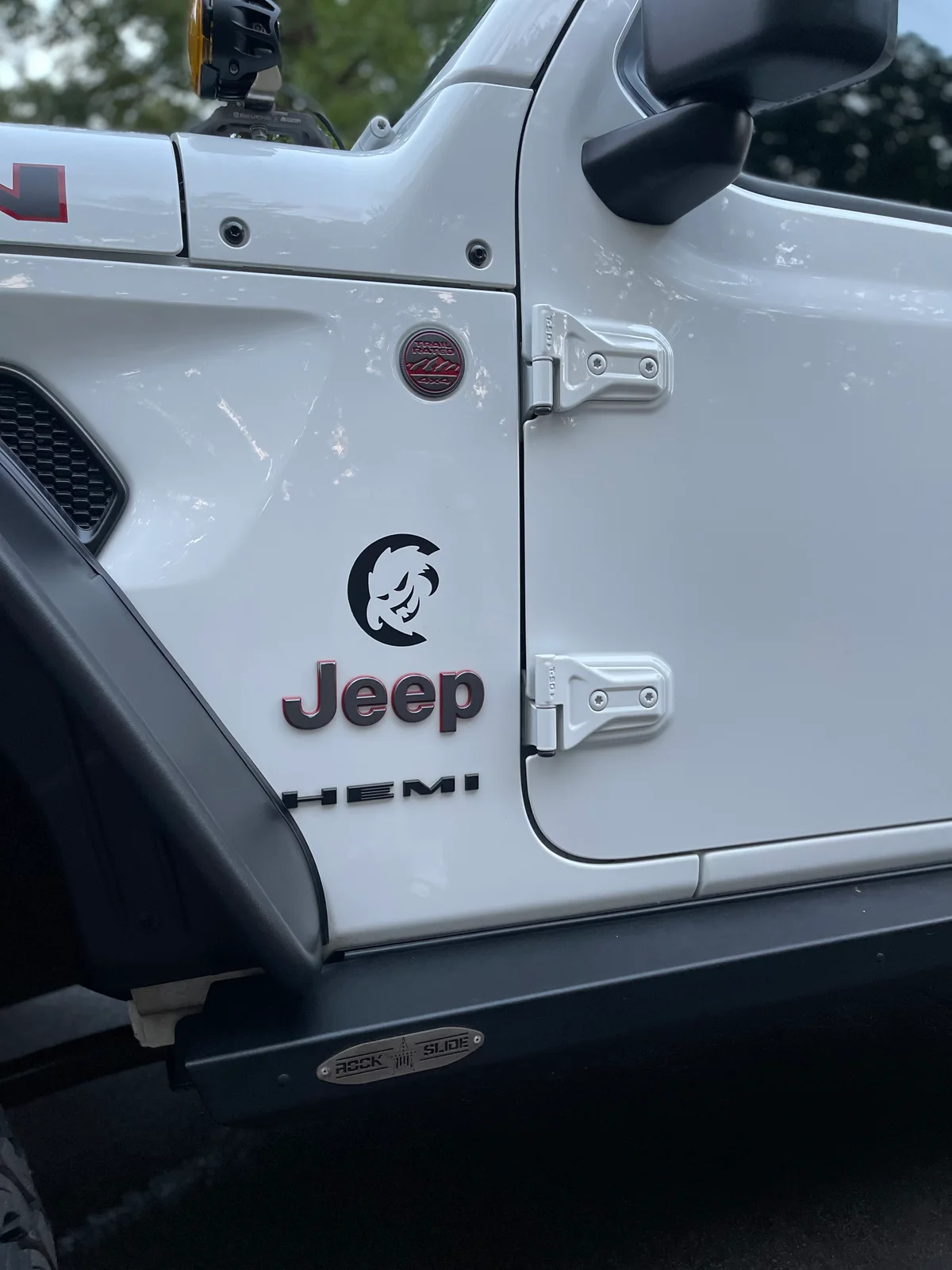
Badges and lettering
Get close enough to read every badge and decal. Keep a little surrounding bodywork visible.
Choose up to five photos.
You do not need every view. Include your chosen angle and key details. Rear artwork needs a rear photo.
Blurry or hidden details may be less accurate. Check your proof before approving.